

Technology Programme Design - Section Three
Examples of programme change
The following examples illustrate possible ideas for a year 3-4 and 9-10 programme. Figures 1a and 2a reflect how programmes may currently look as based on technological practice alone. Figures 1b and 2b reflect how these may change over the next two years of transition time. Figures 1c and 2c reflect possible future programmes once all three strands of the technology curriculum in The New Zealand Curriculum (2007) become features of the technology programme. These examples represent the shift to include the additional five components from the nature of technology and technological knowledge. As indicated earlier, teachers would also be encouraged to extend the programme duration to include year groups before and/or after as part of a more coherent programme that supports seamless learning in technology.
In these examples, the component-related Learning Outcomes sit on the brown horizontal line. These represent the generic knowledge and practices inherent in the achievement objectives for technology that need to be progressed for all students as they develop their technological practice initially (as shown in Figures 1a, 1b, 2a and 2b), and later, their technological literacy (as shown in Figures 1c and 2c). In an attempt to keep the diagrams simple, Figures 1c and 2c show each of the components only once ('on the line'). However, it is expected these would be revisited in a range of contexts to support the progression of understandings and capabilities.
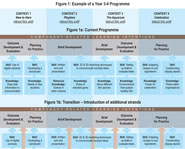
Figure 1: Example of a year 3-4 Programme (Click to enlarge)
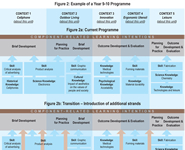
Figure 2: Example of a year 9-10 Programme (Click to enlarge)
Those aspects that appear 'off the line' represent context specific knowledge and skills that might be identified as essential for students to know and/or be able to do in order to fully engage in the context. For the transition period the additional components are also shown 'off the line' to show they may be explored during this time but need not be focussed on for progression and reporting purposes.
The context-specific knowledge and skills show a mix of technological knowledge and skills, as well as additional knowledge and skill that may come from other disciplines such as science, social science, mathematics. These will range in number according to the time available for each context and will be determined by the decisions teachers make about what they consider to be 'key' and the resources they have available. Therefore the examples provided are indicative suggestions only.
