Dominion Post Article
BP603: Bright Ideas
Abstract
Reference: Case Study BP603Focus Points: The case study highlights:
Background ...
Dominion Post Article
Teacher Andrew Hughes:
Began his schooling at Rotorua Lakes High School, Andrew then did a Bachelor of Design with Honours in Industrial Design at Massey University in Wellington, graduating in 2001. Using the broad range of skills, abilities and knowledge bases from the degree, he worked in a variety of design jobs, including audiovisual technician, photographer's assistant, graphic designer and a pre-press technician. He then did outpost teacher training in Rotorua through Christchurch College of Education.
Andrew's first teaching position was at Wellington High School in 2004, teaching Years 9, 11 and 12 Graphics and Years 10 and 11 Technology. In his second year he was teaching only senior classes in graphics and technology, including this Bright Ideas unit.
The Year 12 class comprised 13 students with a fairly even gender balance. Most had continued on from Andrew's Year 11 Graphics and Hard Materials Technology classes, with some students from Graphics new to Technology in year 12 as a subject.
Pre-planning
Most of the pre-planning was done during the 2004-05 Christmas break. Andrew had not taught Level 2 Technology before, so his first task was to familiarise himself with and fully understand the intent of the internal and external achievement standards for the subject at that level.
That done, and having decided to focus the year on lighting, Andrew wanted to come up with a major project that would appeal to the range of students in the class. He decided on a lighting solution for a trendy location that offered the opportunity to use a range of materials - steel, timber, softer based material, even a merge of composites and fabrics. He wanted to set up the project as an authentic one from the outset, and to carefully manage the process all the way through to maintain the authenticity. He also wanted the solution to have 'take home' value for the students, something of their own that they would enjoy and be proud to own, whether or not their prototype was chosen by the client for use in the intended location.
Andrew wanted a single client for the whole class, and shortlisted possible restaurants and social venues in downtown Wellington as ideal possible clients. To Andrews's HoD, Geoff Keith, one client immediately stood out - Sandwiches - as he knew its owner well. The client welcomed the idea, and a meeting was held to discuss the project and ensure the client requirements would be achievable by the class members.
Because of Andrew's professional design background, and his experience in working with clients, he was aware of the issues facing the students in the up-coming unit.
"I've been down this road a few times and I was able to foresee possible turns of events and plan ahead for those things," says Andrew. "For this unit, there was a lot to do in a short period of time - you've only got three terms to get all of the work completed. Time was of the essence - and students are oblivious of that, so I was conscious of continually pushing them."
Delivery - Unit 1
In the first unit the class was asked to investigate, design and construct a paper lantern, taking into consideration the following factors:
To do this they were asked to complete the following tasks:
This first unit laid the foundations for the delivery of the main second unit and enabled the teacher to assess the various abilities, prior knowledge and experience of the students, who came from a range of backgrounds. This was the first time the students had dealt with an internally illuminated object and the different approach to design and construction that this required.
The unit also set the parameters for the operation of the class, with the students learning how to work to set specifications to design and make a lighting solution. It also clarified the teacher's expectations and established an acceptable work ethic among the students.
Delivery - Unit 2
In this major 31-week project entitled Bright Ideas, each student was asked to design and implement a new lighting scheme for the popular inner-city venue Sandwiches. The project was set up as authentic from the outset, and the process carefully managed throughout by the teacher to maintain the authenticity.
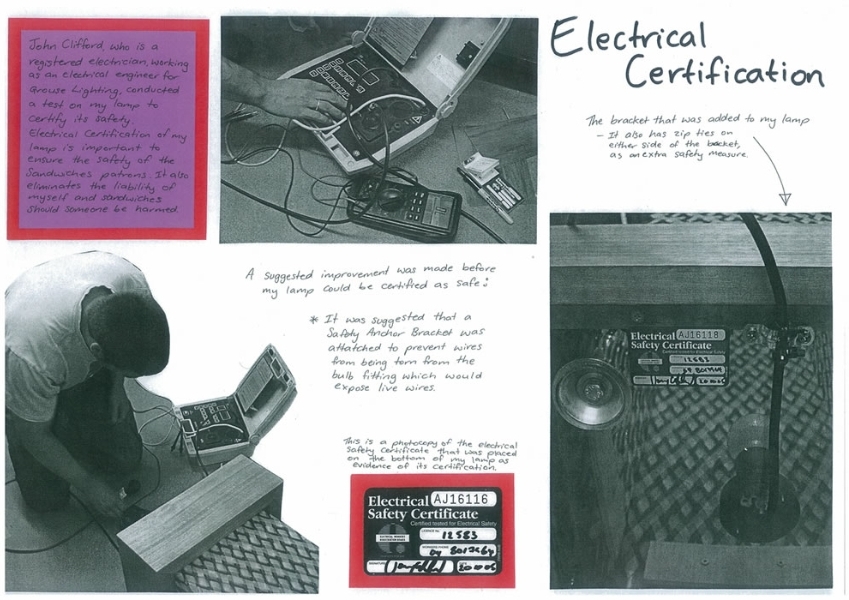
Expectations were set high, initiated by the teacher, and reinforced by both the clients and Industrial Design students from Victoria University who acted as mentors for the project. Students were encouraged to seek the advice of industry experts where needed, and had to get their solutions certified by a registered electrician. The project was supported by Futureintech , an initiative of IPENZ Engineers New Zealand to promote careers in technology, engineering and science. Futureintech found Futureintech Ambassadors as mentors.
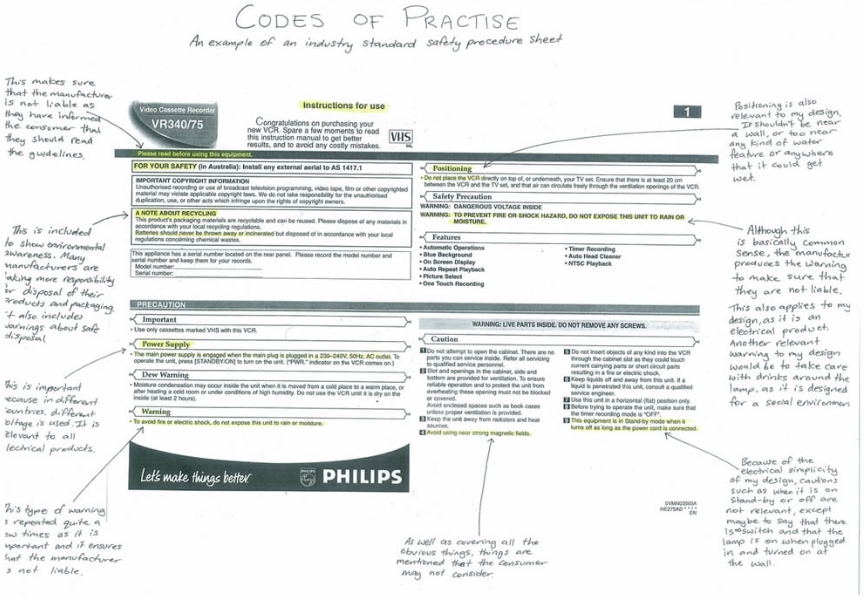
"The real world context opens up a broad range of issues - from codes of practice through to client interaction, brief development, etc. These are all new things that students need to think about. For example 'liability' - if someone gets electrocuted by your light, who's liable? In other subjects that is hypothetical and you wouldn't think about the consequences, but here it's of real concern and students had to address it."
Students were asked to complete the following tasks:
Project Management
Understanding the clients specifications, project restrictions and the planning of time
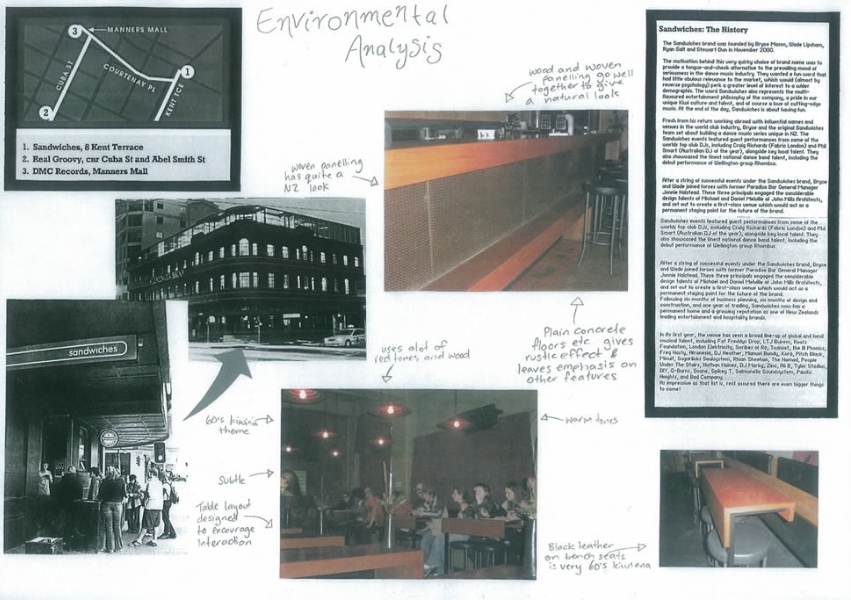
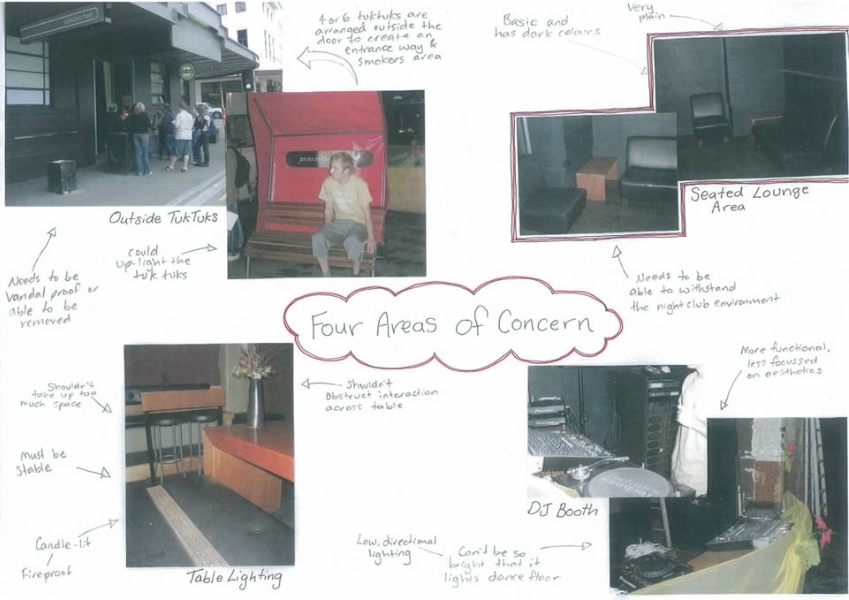
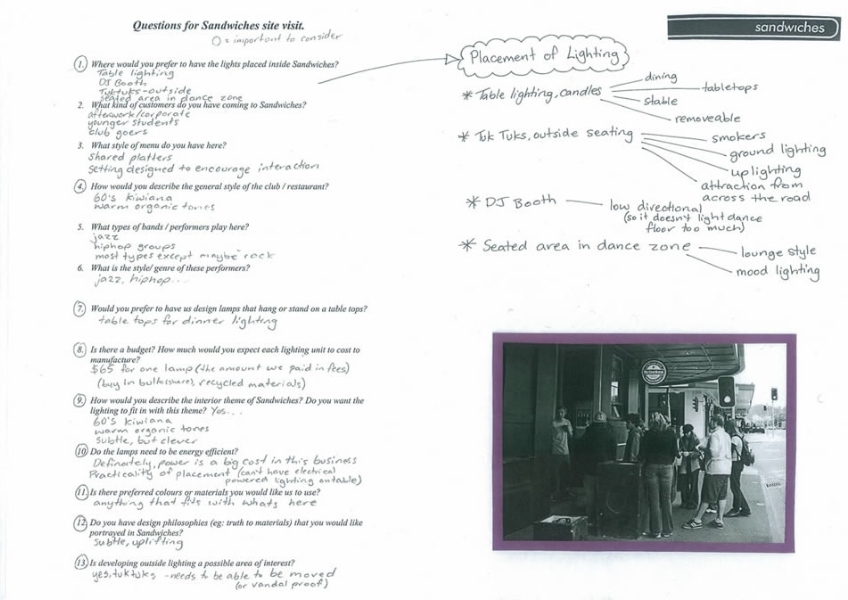
Class first went on a field trip to to the client Sandwiches to establish the project guidelines. There the client stated they wanted lighting improvement in four separate locations.
Back in class, students identified the key factors and then individually explained their implications and developed the following draft specifications:

The students then formulated their brief. Things considered were: a personal interpretation of problem, addressing key factors and prioritising their importance; being lighting specific; awareness of the client's specifications; time and budget; and the restrictions of the final solutions intended location.
The students then developed an initial plan of action in the form of a gantt chart that indicated required resources and project milestones.
Research
Investigation about material types, lighting design and the use of interior mood lighting
Students considered possible materials, lighting qualities, safety, durability, aesthetics and ways of manipulation. Students investigated lighting products interms of their lighting design and construction methods. A class visit was done to other similar Wellington locations as examples of interior design that used mood lighting, so students could examine how mood lighting was used to create an attractive atmosphere.
Conceptual design
Development of design ideas
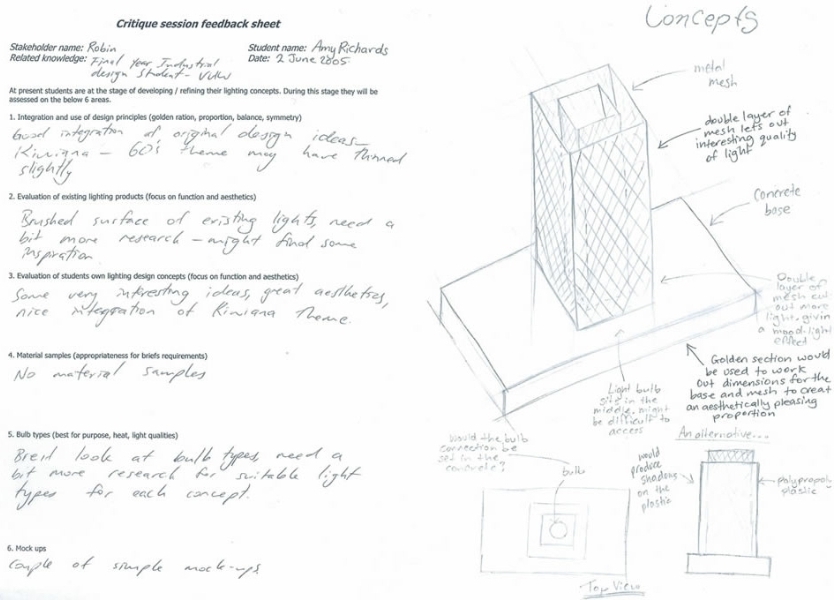
Students began by developing concepts that addressed the client's specifications while considering proportion, balance and design philosophies. They produced a range of design ideas using the 'scrap book' technique - combining sketches, annotations, found material samples and inspiring pictures on the same page. Using a wide range of research resources was encouraged - books, magazines, photographs, websites, interviews, field trips etc. Students then presented these concepts to the stakeholders for feedback and expert opinions.
On-going planning was shown in students' technology diary entries, that included on-going entries on what has been achieved, what is next and the required resources for this.
Design refinement
The refinement of the concepts towards a design solution
Based on the stakeholder feedback from graphical work and supportive material samples, students refined and developed their design and began refining their design's aesthetic appearance, applying design philosophies and justification of choices.
Students then began considering the selection of final construction materials and their joining methods, including minor and major dimensions.
Safety factors were addressed, including flammability, electrocution, stability, ease of use, durability.
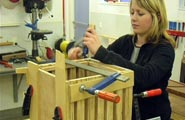
Students then produced scale mock-ups of their most successful concept for presentation to their client for feedback. To support their mock-ups, they also produced an accurately rendered A3 drawing of their chosen concept, including major dimensions and possible construction material samples.
Students revisited their initial plans of action and modify milestone dates and forecast required resources needed in future stages.
Client and stakeholder feedback
The presentation of the refined ideas to the client for feedback
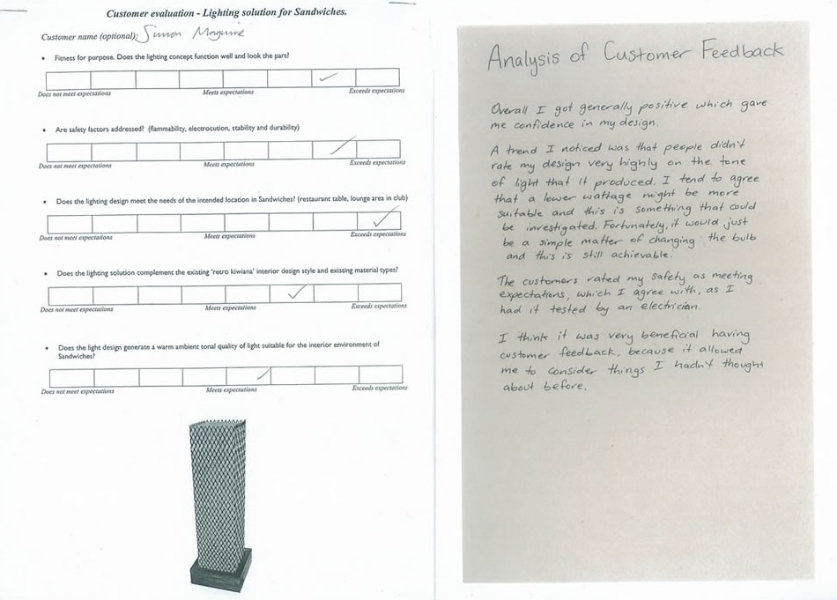
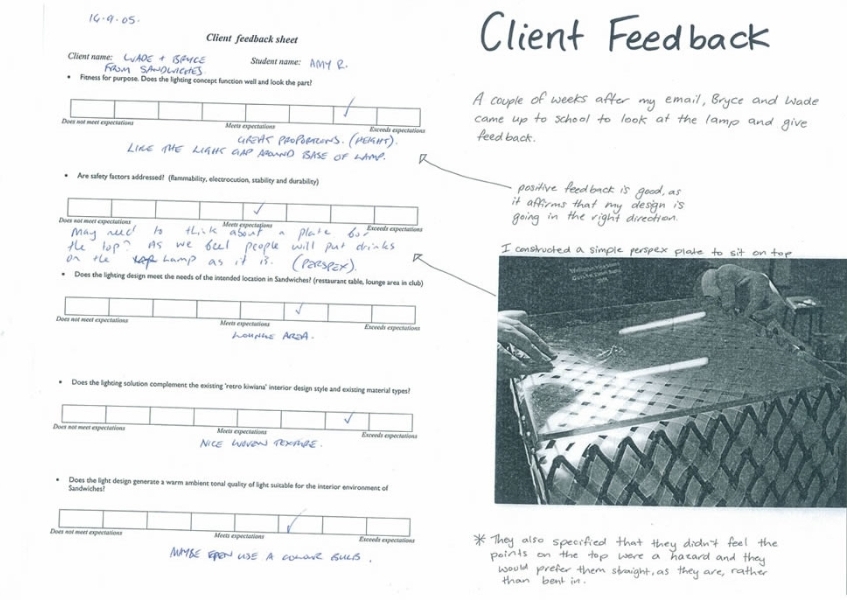
The 3D mock-up and supportive concept drawings were presented face-to-face to the client at Sandwiches for evaluation. A questionnaire for the client to give feedback on the design concept was also supplied. Using client feedback, planning and required resources was reassessed, and new goals and milestones were reset.
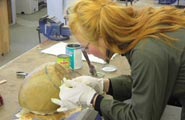
Final design
The finalisation of the design
Students then finalised their brief and included any new requirements into the specifications.
They then ensured their final design met the needs of that brief and addressed the client's requirements.
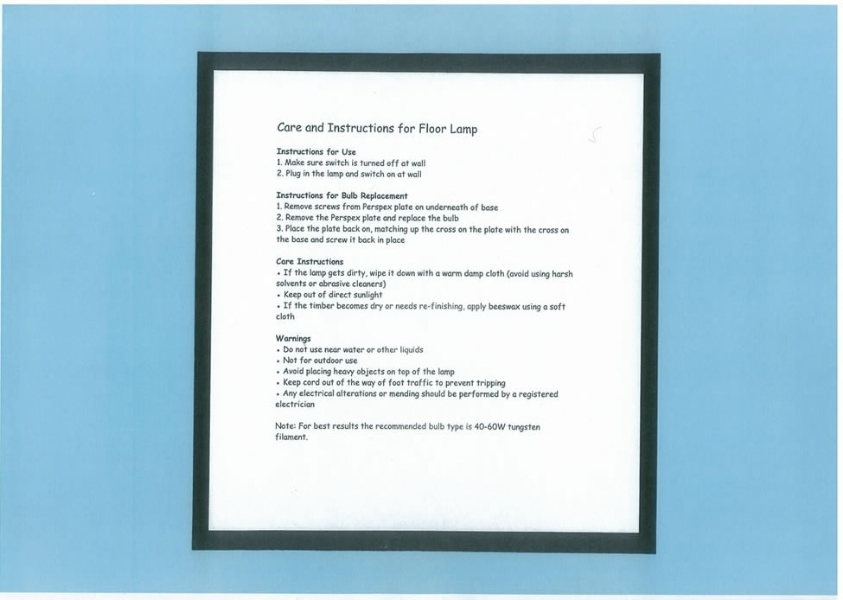
Strict adherence to the applicable codes of practice were mandatory. Correct and safe product use label was created, including maximum bulb wattage. Evidence of registered electrician's safety certification was documented.
A final material and cutting list was created, describing selection criteria and the process of choosing materials. Third angle orthographic drawings with final dimensions were done, and an isometric drawing of final design.
Planning and required resources were revisited, and goals and new milestones reset.
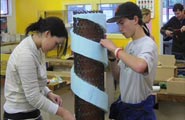
Construction of design
The construction of the final design solution
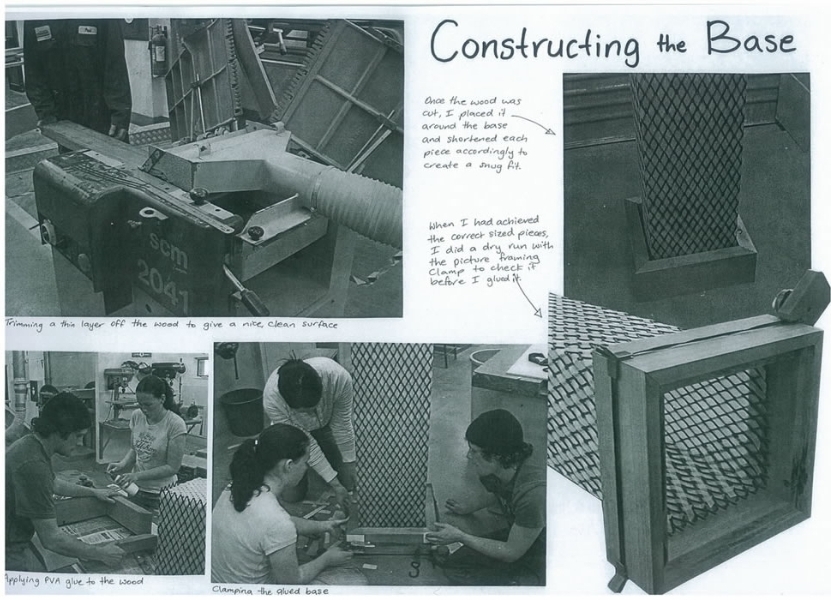
Materials were sourced and cut to size, and manipulation of materials documented.
On-going short to mid term planning and reflection was recorded in students' technology diary entries, including what was achieved, what is next and required resources, and how the codes of practice were met.
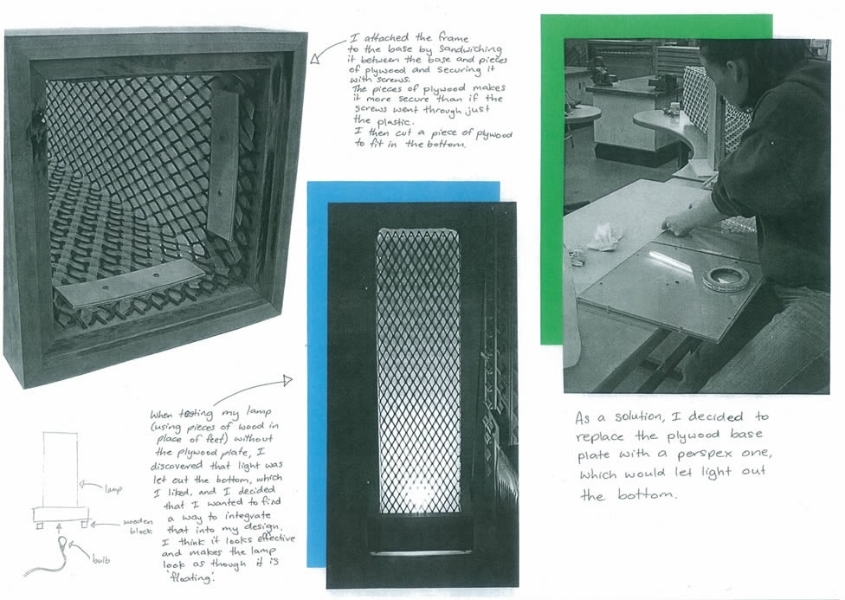
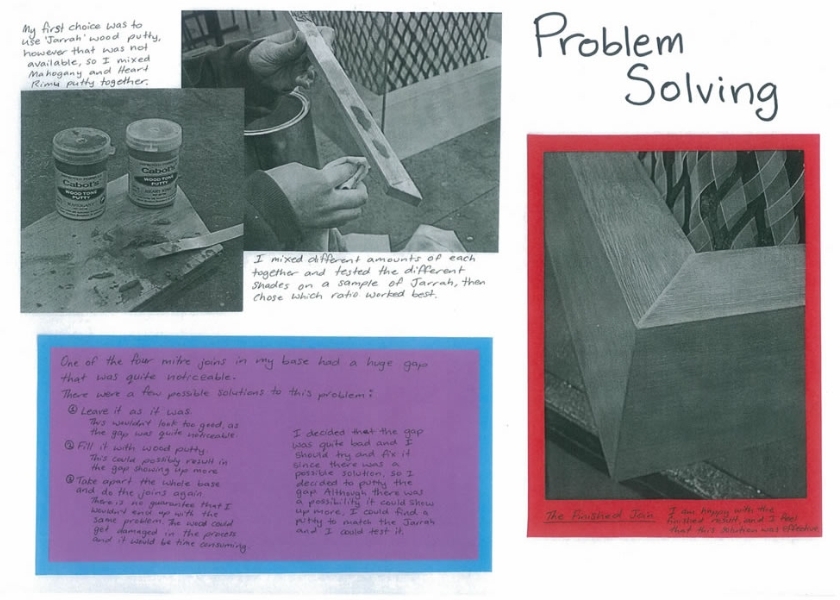
Materials were then assembled, appropriate joining methods implemented, and appropriate finishing techniques are applied.
Evaluation
Student reflection on the work during the assignment
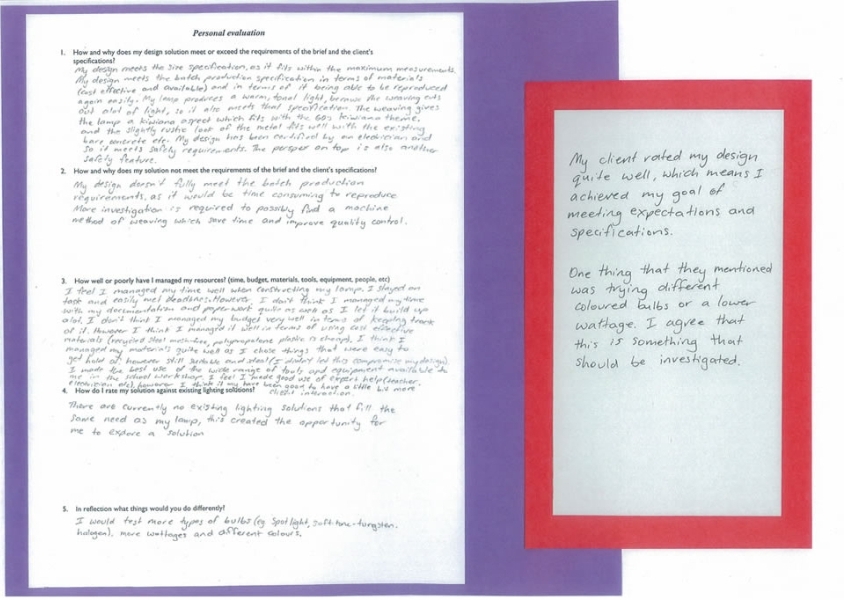
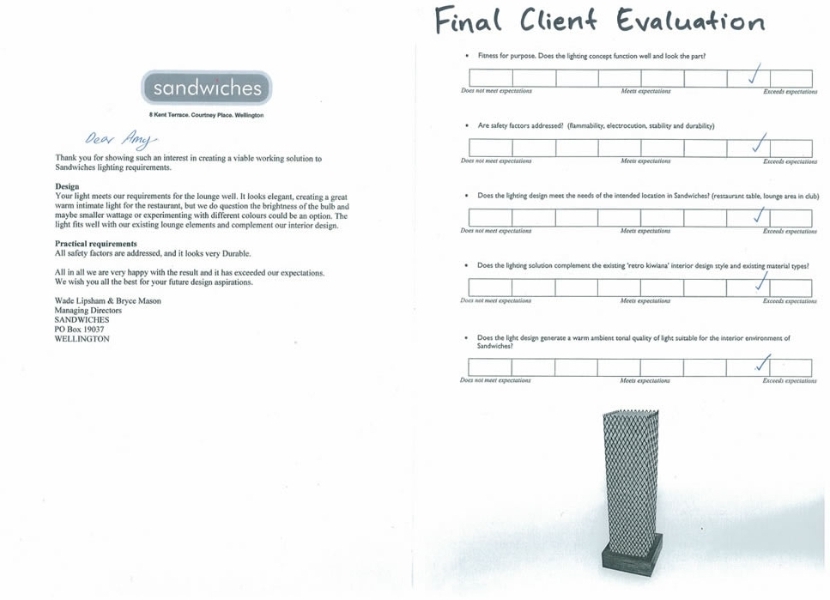
Students then completed a reflective personal evaluation questionnaire to inform their own practice. Stakeholders and client were provided with an evaluation sheet to be used for feedback of the final design solution.
On-going recording of student technological practice was done through a range of media - written, graphic, photography and video. This enabled students to concentrate more on the practical task in hand than the recording of it. Student progress was checked regularly by the teacher who provided constructive feedback.
The effectiveness of pre-planning gave the teacher added confidence with an in-depth knowledge of the steps ahead, and students fed off this confidence. A positive classroom atmosphere ensued and increased levels of trust between teacher and students built-up throughout the year.
Outcomes
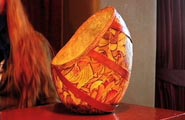
The quality of the students' solutions to the Bright Ideas projects were of universal high standard in both design and execution. Documentation was also of an exceptionally high standards, as exemplified in the galleries of student work. Each student also kept a diary (not shown on this site).
"I was blown away by the standard of work that the students presented," says Andrew. "By the end of the year they had a great work ethic - they didn't grizzle when times got tough and they had to do extra time outside of class to get work done. I set a high standard of expectation for the students and they met that. They were aware of the quality I was expecting and the work ethic I was requesting, and they all rose to it.
"The respect for each other was really great. There were no behavioural issues in that class at all. They all wanted to be successful and to do well in this class. They were there because they wanted to be there. The same will happen for them next year in Year 13 - they will be there because they want to continue on, so that was a great outcome.
"I was really impressed with the level of cooperation between students in the class. During a class I had them critique each others work. There weren't any put downs - they were very mature. I think it was because they'd observed the way I discuss and critique works and they followed suit, and provided constructive feedback to each other.
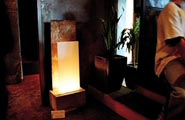
"One of the key outcomes was the students realising that designing for an authentic client actually meant that they had responsibilities to the client. It wasn't school based, it wasn't family or a friend, and the client was busy and had their own life. They learned the importance of presenting high quality work and meeting deadlines.
"Being only a second year teacher, it was great to be given the freedom to run a Year 12 course like that. My Head of Faculty didn't try to rope me in - he saw that I had it sorted and knew where I was going with it."
What next?
In the following year, 2006, Andrew took up a teaching position in Havelock North High School.
"I'm sorry I had to leave the students I had worked with for two years," he says, "but the opportunity came up at Havelock North and I had to think long term about my teaching career. Wellington High was for me the start of that career and it was a very interesting starting point. Things were really building momentum and I would have been teaching both Year 12 and 13 Technology and we'd have been able to do some amazing things. I think that group of Year 12 students wanted to continue with it into Year 13, and I would have liked to have continued with them and seen them finish high school."
"During 2005, once I had everything well underway with my courses, I shared what I had been doing in the Year 12 course with other staff members in my faculty. I shared resources I had developed and helped plan other levels technology units, while offering advice on how to ensure student work met achievement standard requirements.
"As for teaching at Havelock North, this unit has greatly influenced the way I'll be looking to put together future technology units."
Curriculum links: Level 5/6
The Bright Ideas case study was originally published on Techlink in 2006. It details the unit of work delivered by Andrew Hughes at Wellington High School in the previous year. It is Techlink policy to review published materials after they have been on the site for two years.
This provides The opportunity to link the teacher planning and delivery of this unit into the Technology curriculum in The New Zealand Curriculum (2007). These pages identify some possible links to The learning environment and 'Values' education and developing 'Key competencies'.
Teacher reflection on successful aspects of the Bright Ideas unit and directions taken since can be found at: Two years later...
Curriculum links: Level 5/6
The learning environment
In the planning and delivery of the Bright Ideas unit, the teacher:
Curriculum links: Level 5/6
'Values' education and developing 'Key competencies'
Values
Students developed an understanding of the values associated with 'Kiwiana' and other design themes. This understanding was incorporated in the development of their individual product concepts.
Teacher expectation focussed on the value of personal integrity and the need for excellence in all aspects of individual practice and respect for the ideas and judgement of others in the group. This was evidenced in the work ethic of individuals, the collaborative functioning of the class and the fitness for purpose of the final lighting solutions.
Key competencies
Thinking
Using Language symbols and text
Managing self
Relating to others
Participating and contributing